Explore Beacon Paving Contractor for professional paving services for residential and commercial properties
Explore Beacon Paving Contractor for professional paving services for residential and commercial properties
Blog Article
Reliable Asphalt Contractor for Long-lasting Driveways and Roads
Selecting a trustworthy asphalt specialist is essential for creating long-lasting pavements and thoroughfares. Proper selection guarantees longevity and quality in asphalt work. Factors such as qualifications, customer feedback, and material expertise greatly influence the result. Understanding the subtleties of cost and maintenance can further enhance the decision-making process. As homeowners consider their options, several key aspects require thorough assessment to secure a satisfactory investment. What should they prioritize in their search?
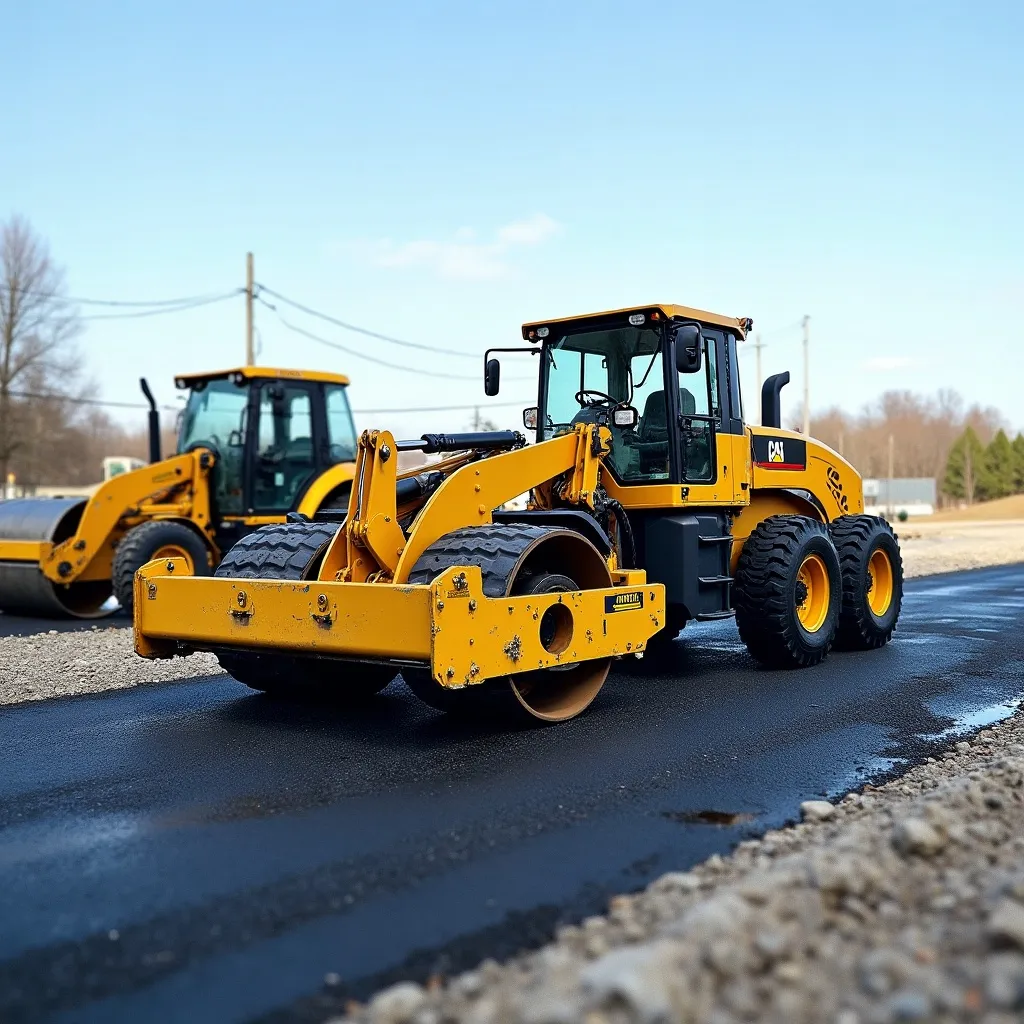
How to Select an Skilled Paving Contractor
When selecting an seasoned paving contractor, one might question what important considerations to assess. First, it is essential to verify the contractor's credentials, including permits and insurance, to verify adherence with local regulations and protection against liabilities. Next, examining customer testimonials and past project portfolios can offer insight into the contractor's quality of work and dependability.
Moreover, collecting multiple estimates can enable you to gauge the market rate for jobs and detect any problem areas, like exceptionally low bids. Proficiency in specific paving types, such as residential driveways or commercial parking lots, is an additional consideration because expertise usually delivers better outcomes. Communication are essential; a contractor must be responsive and prepared to answer any questions or concerns. Finally, evaluating warranties provided can show the contractor’s confidence in their work and their dedication to customer satisfaction.
Ideal Components for Your Driveway
When selecting choices for a driveway, homeowners regularly deliberate on the merits and demerits of asphalt and concrete. Each option demonstrates unique characteristics that can shape durability and cost. Additionally, gravel offers a more affordable alternative but comes with its own set of gains and losses.
Asphalt Against Concrete Selections
Which option offers the optimal balance of durability and expense for driveways: asphalt or concrete? Asphalt is often favored for its reduced upfront cost and faster installation. It generally provides a sleek finish that can endure harsh weather conditions, making it a sensible choice for many property owners. However, asphalt demands regular maintenance, including sealing work and resurfacing work, to extend its life expectancy.
In contrast, concrete is recognized for its strength and scarce maintenance demands. With appropriate installation, concrete driveways can last over 30 years. In addition, concrete delivers a variety of aesthetic options, including stylized surfaces. While the upfront expense is higher, the minimal upkeep requirements can prove it a practical investment over time. Ultimately, the choice depends on individual preferences and budget.
Gravel Advantages and Drawbacks
While tar and concrete are often the preferred materials for driveways, gravel offers a viable option with its unique of benefits and downsides. One important benefit of gravel is its budget-friendly nature; it generally demands a smaller initial investment compared to asphalt and concrete. Additionally, gravel provides superior drainage, assisting to minimize water pooling risks. However, it also has its limitations. Gravel driveways may require regular maintenance such as intermittent replenishment and raking to keep the surface uniform. Furthermore, they can present issues with erosion and may be less stable under heavy traffic conditions. Ultimately, the choice to select gravel should factor in both its cost-effectiveness and the homeowner’s willingness to engage in ongoing upkeep.
Reviewing Customer Reviews: What to Look For
In what ways can potential clients discern the excellence of a paving contractor through customer reviews? Examining these reviews requires careful attention to specific factors. First, clients should look for overall ratings; a high average score often indicates satisfactory service. Next, the number of reviews is crucial; a larger collection provides a more reliable picture of the contractor's performance.
Clients should also review the details of individual testimonials. Positive feedback about timeliness, communication, and work quality is essential. Additionally, common patterns in negative reviews, such as poor customer service or project delays, can signal possible problems.
Furthermore, input from the contractor to reviews exhibit their professionalism and allegiance to customer satisfaction. To conclude, consider reviews from various sources to gain a well-rounded sense. By zeroing in on these points, potential customers can make informed determinations concerning their paving contractor.
Key Topics to Bring Up When Speaking With Your Paving Contractor
When picking a paving contractor, asking pertinent questions can substantially impact the project's outcome. It is crucial to ask about the contractor's experience level and the categories of projects they have undertaken. Learning about their philosophy on material selection and application methods can also deliver perspective on the level of excellence to anticipate.
Prospective clients should inquire regarding insurance and licensing to guarantee the contractor satisfies legal requirements and is protected against potential liabilities. Additionally, talking about the timeline for project completion and any potential delays is essential.
Inquiring about warranties on both materials and workmanship can protect the investment. Finally, it's beneficial to ask for references or samples of previous work to gauge the contractor's reliability and craftsmanship. These inquiries not only define requirements but also create a foundation for strong communication throughout the project.
Paving Rates: What to Plan For
Understanding paving costs is crucial for homeowners planning a project. Multiple elements, such as material options and pricing, greatly affect the overall expense. Additionally, evaluating future benefits can help in taking informed decisions about paving investments.
Elements Controlling Asphalt Fees
Numerous factors impact paving expenses, making it essential for property owners to understand the variables at play. One principal aspect is the size of the area to be paved; larger spaces typically incur higher costs due to increased material and labor requirements. Additionally, site conditions, such as soil quality and drainage, can affect pricing, as extensive preparation may be needed. Local labor rates also play an important role; areas with a higher cost of living often have elevated labor expenses. Moreover, the complexity of the project, including intricate designs or existing structures, can lead to added costs. Finally, seasonal factors may influence pricing, as contractors often adjust rates based on demand fluctuations throughout the year.
Material Varieties and Rates
Different paving options significantly affect paving costs, with each providing unique benefits and price ranges. Asphalt, known for its low cost and rapid installation, typically ranges from $3 to $5 per square foot. Concrete, while more durable, can run between $4 and $8 per square foot, based on finish and thickness. Pavers, constructed from brick or stone, offer aesthetic appeal but typically span from $10 to $20 per square foot, including installation. Additionally, water-permeable paving solutions, which allow water to drain, may cost more due to their specialized materials and installation techniques. Homeowners should evaluate these options carefully, balancing initial costs with preferred durability and performance requirements for their driveways and roads.
Importance of Guarantees and Post-Purchase Services
When choosing a dependable paving contractor, the significance of warranties and aftercare services cannot be overlooked. Warranties serve as a safeguard for customers, click here for more about R. Stanley Paving LLC guaranteeing that any problems in materials or labor are addressed without additional costs. A trustworthy contractor usually offers an extensive warranty that reflects their faith in the caliber of their work.
Beyond warranties, aftercare support constitute an vital role in extending the longevity of concrete installations. Consistent maintenance, such as sealing and crack repairs, can circumvent more substantial harm and costly repairs down the line. A contractor that provides ongoing support exhibits a commitment to customer satisfaction and the resilience of their work.
Thus, warranties and aftercare services not only enhance the worth of the initial investment but also provide peace of mind for homeowners and businesses alike. A reliable contractor emphasizes these aspects, fostering confidence and lasting connections with clients.
Popular Questions Asked Often
What is the Typical Timeline for finishing the road paving?
The surfacing process commonly spans one to three days, determined by the project's scale and difficulty. Variables like weather factors, site readiness, and resource selection can additionally modify the entire schedule in a major way.
Which Weather Conditions Influence Pavement Projects?
Climate conditions greatly influence paving work. Rain, snow, and extreme temperatures can delay projects, while humidity levels impact the curing process. Ideal conditions, typically dry and mild, ensure better adhesion and durability of the pavement.
What Steps Should I Take to Care for My New Driveway?
A new driveway needs frequent washing, sealing every few years, and repairing cracks quickly to stay in good condition. Avoiding heavy loads and employing proper snow clearing methods are important for extending its durability and maintaining its look.
Are there environmentally conscious paving options accessible?
Certainly, diverse environmentally friendly pavement options are accessible, including water-permeable pavers, reclaimed asphalt materials, and alternative concretes created from sustainable materials. These selections aid in reducing environmental impact while providing resilient and usable finishes for parking areas and walkways.
Will I Need a Permit for Asphalt Projects?
Permits can be necessary for paving projects, per local regulations. Homeowners should communicate with their municipal planning department to clarify exact stipulations, guaranteeing adherence and averting potential fines or project delays during the construction period.
Report this page